AI-Driven Diagnostics in Cardiac Monitoring
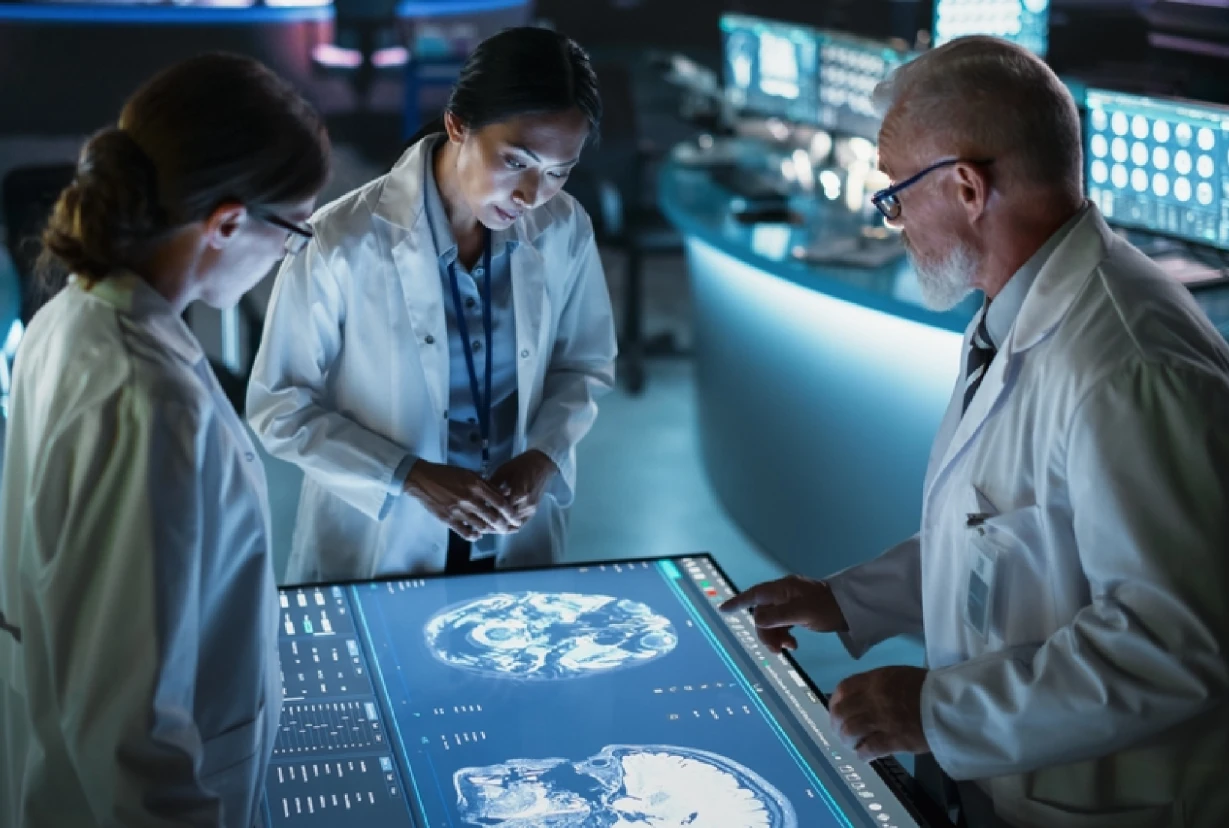
How real-time algorithmic analysis is predicting potential cardiac events before symptoms...
Introduction
Cardiovascular diseases remain one of the leading causes of death worldwide. Early detection and continuous monitoring are critical for effective treatment. With rapid advancements in technology, Artificial Intelligence (AI) is transforming cardiac care by enabling faster, more accurate diagnostics and real-time monitoring.
What Is AI-Driven Cardiac Monitoring?
AI-driven cardiac monitoring uses machine learning algorithms and data analytics to analyze heart-related data such as ECG (electrocardiogram), heart rate, and imaging results. These systems can detect abnormalities, predict risks, and assist doctors in making informed decisions.
How AI Is Revolutionizing Cardiac Diagnostics
⚡ 1. Early Detection of Heart Conditions
AI can identify subtle patterns in ECG signals that may go unnoticed by the human eye. This helps in early detection of conditions like arrhythmias, heart failure, and coronary artery disease.
📊 2. Real-Time Monitoring
Wearable devices integrated with AI allow continuous heart monitoring. These devices can instantly alert patients and healthcare providers if any abnormal activity is detected.
🧠 3. Predictive Analytics
AI models can analyze large datasets to predict the likelihood of future cardiac events. This enables preventive care and timely intervention.
🏥 4. Improved Clinical Decision-Making
AI assists doctors by providing data-driven insights, reducing diagnostic errors, and improving treatment accuracy.
Benefits of AI in Cardiac Care
-
Faster and more accurate diagnosis
-
Continuous and remote patient monitoring
-
Personalized treatment plans
-
Reduced healthcare costs in the long run
Challenges and Concerns
Despite its advantages, AI in healthcare faces some challenges:
-
Data privacy and security concerns
-
Need for high-quality medical data
-
Integration with existing healthcare systems
-
Dependence on technology
The Future of AI in Cardiology
The future of cardiac care is increasingly digital and data-driven. AI-powered tools will become more advanced, accessible, and integrated into everyday healthcare systems. From smart wearables to automated diagnostics, AI is set to redefine how heart diseases are detected and managed.
Conclusion
AI-driven diagnostics in cardiac monitoring represent a major breakthrough in modern medicine. By combining technology with healthcare expertise, it offers a smarter, faster, and more efficient way to detect and manage heart conditions—ultimately saving lives.